Empowering Through Awareness: Navigating Cancer Treatment and Survivorship
Navigating the landscape of cancer can feel like being dropped in an unfamiliar territory without a map. Imagine being told you have a carcinoma; the initial feeling is often one of disbelief, fear, and confusion. For many, the journey from diagnosis to survivorship is like an intense obstacle course filled with unexpected twists and turns. But what if this course also held the keys to empowerment, healing, and growth? That's where the importance of awareness comes into play— understanding your options, advocating for your health, and finding strength in community support.
Early detection is a crucial first step in this journey. We’ve all heard the adage, ‘An ounce of prevention is worth a pound of cure.’ When it comes to tumors and malignancies, this couldn’t be more accurate. Regular screening and education about risk factors can dramatically alter outcomes. It encourages discussions with healthcare providers about the best strategies for early detection. Have you ever considered that being proactive might be your strongest ally in fighting cancer?
The treatment landscape, sometimes daunting and overwhelming, offers a variety of options, including chemotherapy, radiation therapy, and innovative approaches like immunotherapy. Each option comes with its unique set of challenges and benefits; it's essential to understand the roles they play in managing your health. What works for one person may not work for another, and hence, patient advocacy becomes paramount. Talk to your doctors, explore clinical trials, and remember: there is no one-size-fits-all approach, and your voice deserves to be heard in treatment discussions.
Equally important is the integration of holistic health into treatment plans. By focusing on healing and well-being through lifestyle modifications, such as adopting a plant-based nutrition diet and incorporating physical activity, patients can build emotional resilience and enhance their overall quality of life. Have you explored the role of mindfulness or community support groups in your healing process? Storytelling from survivor stories can be incredibly motivating—because if they faced the storm, so can you.
The journey does not end when treatment is over. It transforms into a new phase of survivorship, where psychosocial support and palliative care play a vital role. Understanding that your healing journey is ongoing, and finding coping strategies that work for you, ensures that you not only survive but thrive beyond the diagnosis. As we recognize Cancer Awareness Month, let’s empower ourselves and each other with knowledge. Together, we can navigate the landscape of cancer, transforming challenges into triumphs, one step at a time.
Holistic Approaches to Healing: Integrating Nutrition, Activity, and Emotional Resilience
In the overwhelming journey of cancer treatment and survivorship, an integrated approach can make all the difference. As we delve into the realm of holistic approaches to healing, we discover that oncology isn’t solely about chemotherapy, radiation therapy, or immunotherapy; it encompasses a rich tapestry of nutrition, physical activity, and emotional resilience. Imagine for a moment the transformative potential when patients embrace holistic health alongside conventional treatments. Could it be that there’s more to healing than just the medical interventions? Let’s explore this captivating path towards well-being as we navigate through survivor stories and the vital elements of holistic healing.
Nutrition plays a pivotal role in combating malignancy. A plant-based diet, rich in antioxidants and essential nutrients, can empower patients to support their bodies during treatment. What if something as simple as the food we eat can help in the fight against carcinoma? Research has shown that certain foods can help shrink tumors and enhance the immune response—powerful allies in the battle against cancer. Whether you're currently facing a diagnosis or supporting a loved one, exploring integrative medicine could open doors to better health. The phrase 'you are what you eat' has never been more relevant than in this context. What dietary changes can you make today to promote healing?
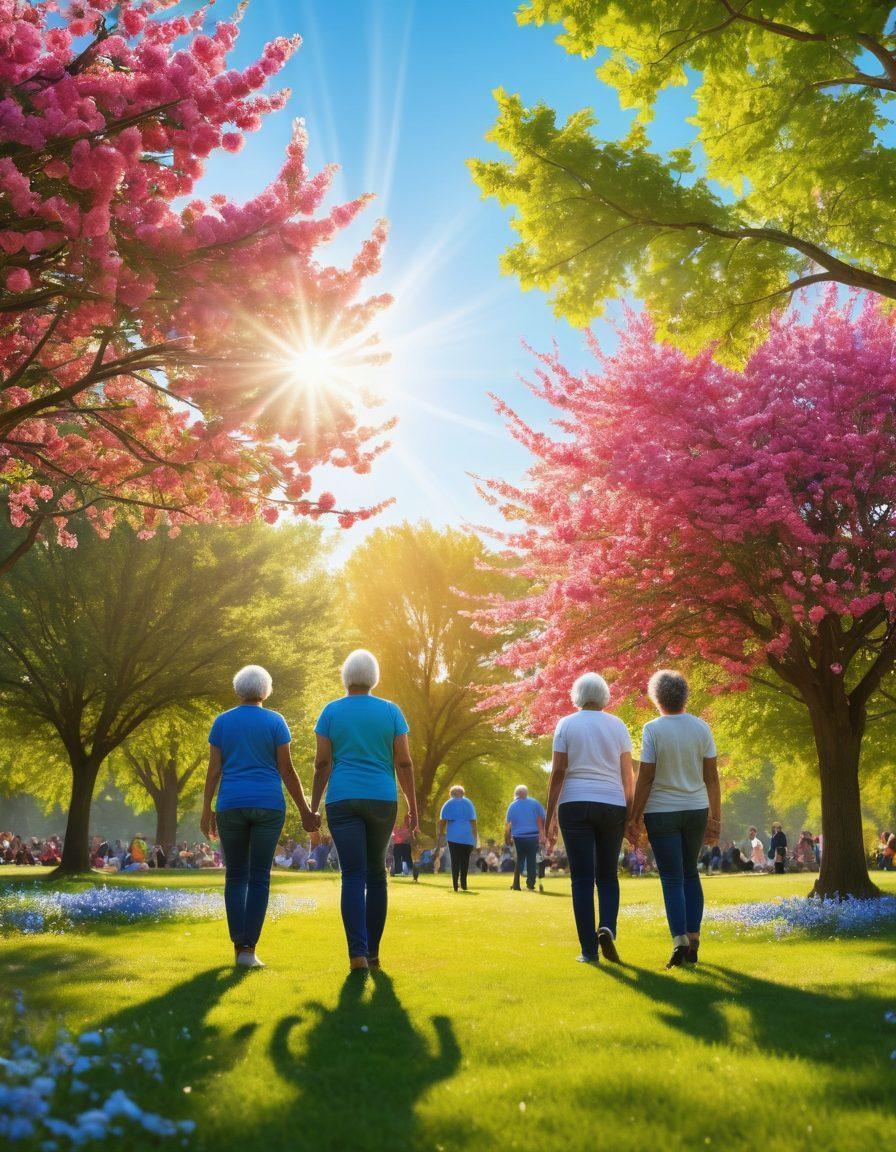
Physical activity is another cornerstone of recovery that should never be underestimated. Engaging in regular exercise can bolster emotional resilience and mitigate the side effects of treatment. Whether it's a brisk walk, yoga, or gentle stretching, staying active fosters a sense of control during a time when so much feels uncertain. Have you ever experienced a “runner’s high”? It's fascinating how movement can elevate our mood and inspire hope. Community support often takes on an even deeper meaning when shared activities—like group exercise or wellness workshops—bring survivors and caregivers together. Everyone thrives when we uplift one another, don't you think?
Emotional resilience, the often-overlooked facet of healing, is critical for anyone navigating cancer survivorship. Journaling, mindfulness, and seeking psychosocial support can equip patients with effective coping strategies. Consider this poignant quote: 'Healing takes courage, and we all have courage, even if we have to dig a little to find it.' Recognizing the emotional toll of cancer can empower individuals to seek help, whether through professional counseling or support groups. In times of difficulty, community support becomes an invaluable lifeline, showcasing the importance of sharing the load during such tumultuous times.
Ultimately, patient advocacy is at the heart of navigating these challenges. Awareness is power, especially during cancer awareness month, where increased focus on early detection and screening is crucial. Knowing treatment options—whether traditional or holistic—can facilitate better communication with healthcare providers, and encourage informed decisions. Clinical trials often offer cutting-edge treatments that can make a noticeable difference in survival rates, and they are a testament to the advances in our understanding of the disease. The journey through and beyond cancer is not solely a personal endeavor; it is a community experience. Together, let's celebrate life, explore proactive lifestyle modifications, and become champions for health education and advocacy. Are you ready to take the reins of your healing journey and inspire others along the way?
The Power of Advocacy: Empowering Patients Through Awareness and Community Support
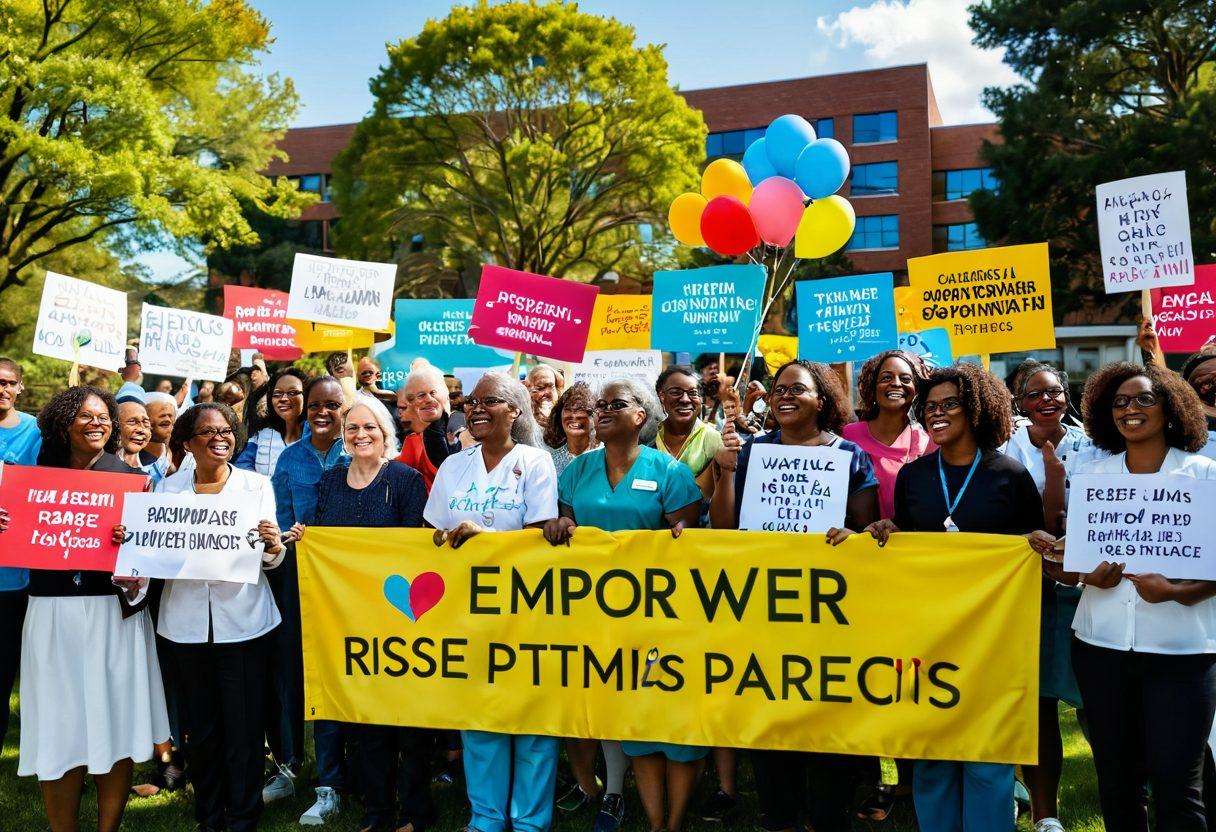
Navigating the journey of cancer treatment can often feel like venturing into uncharted waters. Amidst the storm of emotions, medical jargon, and treatment options like chemotherapy, radiation therapy, and immunotherapy, one undeniable truth remains: the power of advocacy can illuminate the path forward. As patients, loved ones, and supporters gather to forge a community, empowerment through awareness emerges as a cornerstone of resilience. So, how can advocacy truly transform the cancer experience for individuals and families?
At the heart of effective patient advocacy lies the critical role of knowledge. Awareness about various types of malignancies, including carcinoma and the tumors associated with them, can turn confusion into empowerment. Consider this: when patients are armed with information about their diagnosis and treatment options, they not only become informed participants in their healthcare journeys but also advocates for themselves. By engaging in educational opportunities during cancer awareness month, we can promote early detection and screening, which are crucial steps in the fight against cancer. Could you share what you learned in your journey that shifted your perspective?
Survivor stories are a testament to the remarkable strength found within the cancer community. Each narrative encompasses struggles, triumphs, and coping strategies that resonate with others facing similar battles. These stories serve as beacons of hope and inspiration, demonstrating the power of emotional resilience and the impact of community support. As we hear about different pathways—whether it involves lifestyle modifications, such as plant-based nutrition, increased physical activity, or holistic health practices—we realize that every journey is unique and valid. What’s your survivor story? How has your experience shaped your understanding of healing?
Moreover, integrating psychosocial support into treatment extends beyond the physical; it encompasses emotional and social well-being. Many cancer patients face challenges that are not just about the tumors in their bodies, but also concern the toll on their loved ones, caregivers, and their own mental health. By fostering an environment rich in caregiver support and community resources, we can bolster the capacity to cope with the aftermath of treatment. What's more, palliative care often plays a crucial role in ensuring patient comfort through all phases, leading to improved quality of life. Have you accessed any emotional health resources that made a difference during or after treatment?
Ultimately, the legacy of patient advocacy lies not just in individual journeys but in creating a culture of solidarity and empowerment. Advocacy encompasses sharing knowledge about clinical trials, health education, and integrative medicine, which offer endless possibilities for healing. As we strengthen connections through awareness and collaboration, we foster a society that champions patient rights and improves treatment outcomes. In your opinion, how can we better support one another in this vital mission to elevate the cancer narrative? Together, it’s time to embrace empowerment through awareness, a collective force that can usher in positive change for all involved in this journey.